Where to Buy Queen Bees: What to Look for and How to Order
This post contains affiliate links. As an Amazon Associate, I earn from qualifying purchases at no extra cost to you.
A failed queen order can derail your entire season. You’ll spend months waiting for a package only to receive a queen that’s already drone-laying or dead on arrival. Or you’ll miss the narrow window when your hive actually needs her. Worse, you’ll pay top dollar to a breeder with poor shipping practices and no accountability.
Buying a queen bee sounds simple until you start researching. Within minutes you’ll find dozens of suppliers, price points ranging from $25 to $150, and confusing terminology about genetics, production methods, and guarantees. Small-scale beekeepers often guess at what to prioritize, then blame themselves when the purchase doesn’t pan out.
The reality is more predictable: buying a quality queen boils down to timing, knowing which suppliers maintain real accountability, and understanding the trade-offs between price and reliability. You need a simple framework for evaluating suppliers and a clear process for ordering at the right moment. This guide walks you through both.
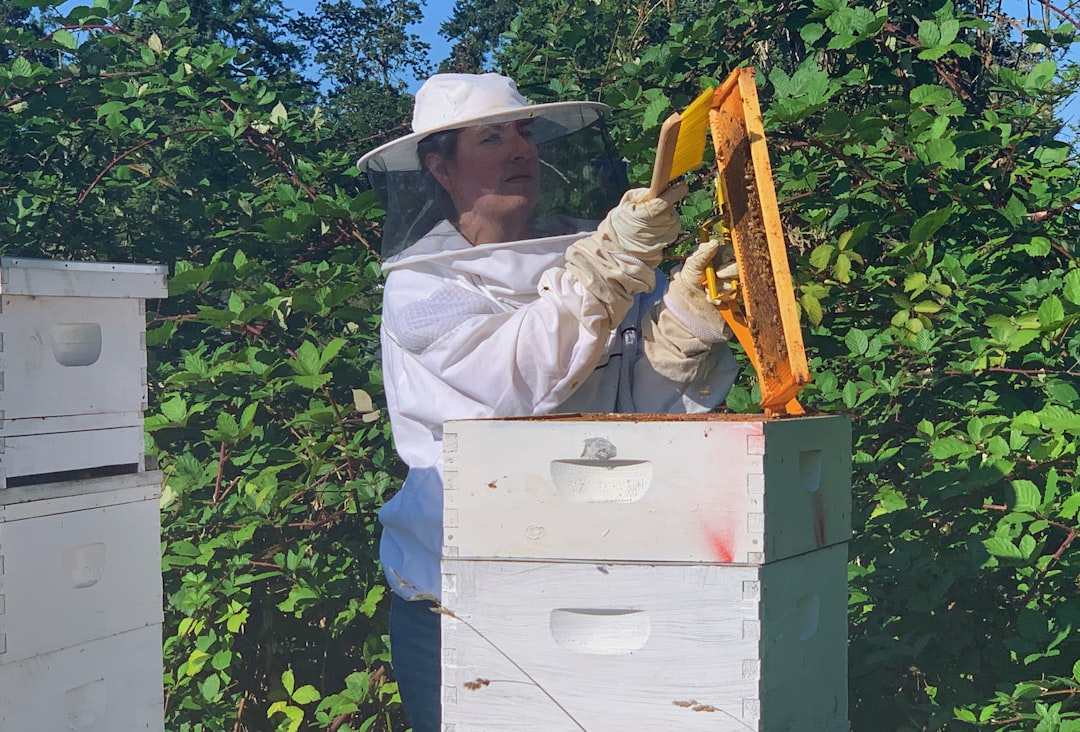
Photo by Melissa Askew on Unsplash
Timing Your Queen Order: When to Buy and Why
The single biggest mistake backyard beekeepers make is ordering a queen too late. You’ll decide your hive is queenless in mid-July, panic, place an order, and then wait three weeks while your colony dwindles. By the time she arrives, you’ve lost the window to build comb and brood for the autumn flow.
Successful queen buying starts with planning four to six weeks ahead. If you’re considering a split for swarm control, order queens in May for June delivery. If you’re replacing a failing queen detected in June, order immediately - don’t wait to “see if things improve.” If you’re building a spring package, order in January or February for April pickup.
Most commercial breeders operate on seasonal cycles. Northern producers (Maine, Minnesota, Wisconsin) have very short mating seasons and ramp production in June through August. Southern and western producers (California, Georgia, Louisiana) begin earlier and extend later. Mann Lake and Dadant both publish their production schedules - check these before you order so you understand realistic delivery timelines for your region.
The spring market (February to April) is the tightest supply and highest prices. If you can wait until June or July, prices drop by $10–20 per queen, and you’ll have more genetics options. However, late-summer orders are riskier because you’re chasing breed-back times late into fall. For most small-scale keepers, mid-May through July is the sweet spot: good selection, reasonable pricing, and enough time before autumn.
Your order timeline also depends on mating delays beyond the breeder’s control. Rainy weather during mating flights postpones virgin queens by weeks. Some producers include this in their estimates; others don’t. Ask explicitly about their worst-case delivery window before ordering. A breeder who says “7–10 days” is being optimistic. One who says “7–10 days plus up to two weeks for weather delays” is being honest and worth trusting.
Evaluating Queen Bee Suppliers and Understanding Pricing
Not all queens are created equal, and not all breeders will stand behind their work. You need a simple rubric to separate responsive suppliers from those who ghost you when a queen dies in transit.
Start with breeder focus. Some outfits produce 500 queens per year as a side business; others produce 50,000. Both can sell good queens, but they operate at different scales. Small producers (under 1,000 queens annually) usually hand-graft, mate in controlled apiaries, and know individual queens’ pedigrees. Large producers use grafting machines, mate in open-mating yards, and track genetics statistically. Neither is inherently better, but they carry different risks. Small producers are likelier to have interruptions from weather or predation; large producers are likelier to have quality variance in huge cohorts.
Check whether the breeder publishes a live availability calendar. Credible producers know their schedules - when queens are available for pickup or shipping, when they’re fully booked, when they expect the next batch. If a website says “call for availability” with no posted calendar, it’s a red flag. You’re gambling on inventory and communication.
Read reviews, but be smart about which ones matter. Facebook group testimonials from keepers in your region and climate are valuable. Third-party review sites are less useful for specialty services like queen breeding. Look for feedback about two things: (1) Did the queen arrive alive and laying? (2) Did the breeder respond when something went wrong? A supplier with 50 five-star reviews and zero acknowledgment of problems is less trustworthy than one with 45 five-stars and honest replies to three negative reviews.
Genetic transparency is underrated. A breeder who can tell you “F1 hybrids from Italian and Carniolan lines, selected for low aggression and brood patterns,” is more credible than one who just says “good layers.” Some producers offer tested VSH (Varroa Sensitive Hygiene) lines or certified disease-resistant genetics from university research. If varroa pressure is your problem, genetics matter. If you just need a functional queen, they’re a bonus.
Guarantees reveal attitude. Many breeders offer nothing - “queens ship live, but viability in your hive is your responsibility.” Some offer replacements if the queen arrives dead, but only with proof and only within five days. The best ones (particularly large commercial producers and some premium breeders) guarantee a laying queen for 30 days, no questions. Buying from someone with a real guarantee costs $10–20 more per queen but protects you against bad luck in shipping or introduction.
Queen Pricing Ranges and What You’re Paying For
Queen prices vary wildly, and the range can paralyze new buyers. You’ll find queens from $25 to $150, and you need to understand what you’re actually paying for.
At the low end ($25–35), you’re buying a locally-mated or open-mated queen from a small breeder or a bulk production facility in a major queen state. These queens are functional but not selected for specific traits. Use them if you need a quick replacement or are building a split with modest expectations. These sellers rarely offer guarantees beyond “arrives alive.”
The mid-market ($40–70) includes most reputable small producers and regional suppliers. These queens are line-bred, have documented genetics, and ship with 7–14 day replacement guarantees. This is where most serious small-scale beekeepers buy. You get reliability and decent genetics without the premium markup.
Premium queens ($75–150) come from specialty breeders focusing on specific traits: extreme gentleness, maximum honey production, disease resistance, or rare genetics. These queens are tested, pedigreed, and guaranteed for 30+ days. Buy these if you’re selecting for a specific problem (aggressive bees, low brood patterns) or if you’re establishing a breeding line yourself.
Package queens (usually included with package bees in spring) run $8–15. They’re young and unstressed by shipping, which is why many keepers prefer packages over ordering queens separately. The downside is no genetic choice and no guarantee beyond “arrived alive.” If you’re a beginner, package queens are fine. If you need a specific queen to fix a problem mid-season, buy independently.
Factor in shipping costs, which rarely appear in the advertised price. Most breeders charge $10–20 for shipping plus a small box fee. If you’re buying multiple queens, shipping per queen drops significantly - buying three queens for $60 each plus $15 shipping is actually $65 per queen. Buying one for $60 plus $15 shipping is $75 per queen. This is why some keepers coordinate bulk orders with local beekeeping clubs.
Guarantees should influence your decision more than you might think. A $45 queen with a 30-day replacement guarantee is often better value than a $35 queen with no guarantee. If she dies, you’ve lost $45. If she’s guaranteed and dies, you’ve lost only shipping and introduction time.
Supplier Comparison Table
| Supplier Type | Price Range | Guarantee | Lead Time | Best For |
|---|---|---|---|---|
| Local beekeeper | $25–40 | None to 3 days | Walk away in days | Beginners, emergency replacements |
| Regional small producer | $35–55 | 7–14 days | 2–4 weeks | Most hobbyists, established genetics |
| Large commercial (Mann Lake, Dadant, others) | $40–65 | 14–30 days | 2–4 weeks | Consistency, reliability, bulk orders |
| Premium breeder | $75–150 | 30+ days | 4–8 weeks | Genetic selection, specific traits |
| Package bee supplier | $8–15 (included) | Arrival live only | Spring only | Beginners starting new hives |
How to Order Your Queen Bees: Step-by-Step Process
Ordering sounds straightforward, but the process has real gotchas. Follow this sequence to avoid delays and disappointment.
-
Confirm your timeline and hive readiness. Don’t order a queen until your hive is queen-right or you have a confirmed queenless colony. If you’re splitting, the hive must be split and queenless. If you’re replacing, the colony must have been queenless for at least three days (to verify no emergency queen cell sealed). Many orders fail because keepers order too early and the hive re-queens itself or rejects the introduced queen because it still has a viable emergency queen.
-
Choose your supplier based on the rubric above. Create a shortlist of two to three breeders whose genetics, guarantees, and schedules fit your timeline. Call or email each one to confirm: (a) availability for your target date, (b) specific genetics offered, (c) shipping cost and method, (d) exact guarantee terms. Don’t rely on websites for this - talk to a human.
-
Place your order 4–6 weeks before you need the queen. Most breeders accept orders by phone, email, or online form. Be specific: what genetics, marked or unmarked, cage type (California cage, bank cage, or JZ BZ Introduction Cage), and your backup dates if the first date isn’t available. Ask for a confirmation email with all terms and a pickup/delivery date.
-
Confirm one week before delivery. Contact the breeder four to five days before the scheduled delivery to confirm she’s still on track. This catches weather delays or overbooking. Many breeders appreciate the check-in and will update you if anything has shifted.
-
Prepare for arrival. A day or two before the queen arrives, get your hive set up: remove the old queen (if replacing), confirm the colony is queenless, and prepare an introduction method. You’ll likely need a JZ BZ Queen Introduction Cage Kit for a safe, gradual introduction over 3–4 days. Have your Manual Queen Catcher Clip on hand for safe handling, and if you want to track her long-term, grab a Queen Marking Kit Pen Flashlight to mark her with a paint dot for identification.
-
Accept and inspect immediately. When your queen arrives, open the box in a quiet place away from the hive. Check that she’s alive and moving. If she’s in a California cage, look for sugar paste (many breeders include this to keep her fed during transit). Verify the documentation matches your order. If anything is wrong, photograph it and contact the breeder within 24 hours - most guarantees require fast notification.
-
Introduce over 3–4 days. Never just dump the queen into your hive. Use the introduction cage, let workers adjust to her pheromone, and release gradually. A rushed introduction leads to rejection or balling. Most breeders include instructions; follow them.
Avoiding Mistakes and Introducing Your New Queen Safely
Common Pitfalls When Buying Queen Bees
Beekeepers stumble on queen orders in predictable ways. Knowing these mistakes will save you money and heartbreak.
Ordering too late. This is the biggest killer. Waiting until August to order a replacement queen means six weeks without laying, lost foraging season, and a weak hive heading into autumn. Build a mental calendar: replace queens in spring or early summer, not midsummer or fall. If you detect a problem in July, order immediately, not “next month.” The cost of a fast emergency order ($50–70) is cheap insurance against a dead colony.
Failing to confirm queenlessness before ordering. You order a queen because you think you don’t have one, then a week before arrival your hive swarms and establishes a new queen. Now you have two queens or your bees will kill the newcomer. The fix: wait at least 21 days after you think the colony went queenless (to ensure no capped queen cells), or perform a direct inspection to confirm. If you’re unsure, delay the order.
Choosing purely on price. A $25 queen from an unknown supplier is a lottery ticket. You might get a great layer; you might get a dud who lays 70% drones. Spend $10 more for a queen from a breeder with reviews and a guarantee. The peace of mind and reliability advantage more than justify it.
Not checking shipping deadlines. Many breeders have Friday pickup only or ship only on Mondays to avoid weekend delays. If you’re east of the Mississippi and you order on Friday afternoon for Monday delivery, the queen will spend four days in transit over a weekend - she might arrive starved or stressed. Always ask about shipping schedules and choose dates that minimize time in the mail.
Ignoring local climate. Ordering from a breeder in a different climate zone is risky. Queens adapted to short Minnesota summers don’t brood as quickly in hot Georgia summers; California queens in Maine struggle with short spring buildup. Check the breeder’s location and ask if they raise queens for your region. Local or regional breeders are safer bets.
Skipping the introduction process. Many keepers open the cage and release the queen directly into the brood nest, thinking speed is better. This causes balling (workers attacking the newcomer) and rejection. Use the introduction cage, follow instructions, and give it 72 hours minimum. Patience here prevents a dead $50 queen.
Not photographing the queen or packaging on arrival. If something is wrong (queen dead, package damaged, wrong genetics), you need photos to claim a guarantee. The breeder won’t replace a queen based on “she didn’t look right.” Document everything when the box arrives.
Introduction Best Practices
Once your queen arrives, introduction is critical. Poor technique kills perfectly healthy queens.
The standard method uses an introduction cage: a small cage (usually plastic or wood) that holds the queen and 2–3 workers. You place the cage in the hive, often over the brood nest, and let the colony adjust to her pheromone. After 48 hours, you block the exit and let workers eat through the sugar candy, gradually introducing her over the next 24–48 hours. By day three or four, she’s part of the colony.
Why not just open the cage and dump her in? Because strange queens trigger a balling response. Hundreds of workers will swarm her, sting her, and kill her within minutes. The introduction cage lets workers smell her, get used to her pheromone, and treat her as part of the family before they meet face-to-face.
Prepare the hive before she arrives. If you’re replacing a queen, find and remove the old queen at least 24 hours before the new one goes in. If you’re introducing into a queenless hive, wait 21 days for any capped queen cells to hatch and be killed by workers, or destroy them yourself. Don’t introduce into a hive that still has viable queen cells - the colony will kill the introduced queen to protect the cell.
When you get the queen, check her condition. She should be moving normally, not lethargic or dead. If the cage includes a screen, make sure she has access to sugar candy or honey. Some breeders ship queens in a simple box with honey-soaked cotton; these are trickier because the queen can drown in pooled honey if the cotton gets overly wet.
Place the introduction cage in the hive with the queen facing the center of the frame or positioned over brood. If the breeder includes instructions, follow them - some cages go in horizontally, others vertically. Close the hive and leave it alone for two full days. Resist the urge to peek. On day three, check for workers tending to the cage and eating the sugar plug. If they are, block the exit hole, wait 12 more hours, and then remove the cage entirely. She’ll walk out into a colony that’s ready for her.
If after five days she hasn’t laid, or if you find her dead, contact the breeder immediately. This is when a guarantee matters. A breeder with a 30-day guarantee will replace her. One with no guarantee will tell you it’s your introduction technique’s fault.
FAQ
Q: Can I order a marked queen, and is it worth the extra cost?
Marked queens are cleaner to locate in the hive, especially in larger colonies. A marked queen has a paint dot on her thorax, typically in a color that identifies the year she was raised (white for 2026, yellow for 2027, etc.). Most beekeepers mark their own queens using a Queen Marking Kit Pen Flashlight - the breeder does this for a $2–5 upcharge. Pre-marked queens from the breeder cost about the same. Is it worth it? If you’re managing multiple hives and checking brood patterns regularly, yes. You’ll spend 30 seconds locating her instead of three minutes. If you have one hive and don’t care about genetics, no. The breeder marking is mostly for record-keeping. A beginner can skip this; an established beekeeper should buy marked queens to track hive performance.
Q: What’s the difference between a virgin queen and a laying queen, and should I care?
A virgin queen is unmated, just released from her cell. A laying queen is mated and actively producing brood. Commercial breeders sell laying queens because mating happens at their facility. You should only buy a virgin queen if you’re doing selective breeding yourself - they’re much cheaper ($5–10) but require you to wait 10–14 days for her to mate and 21 days more for brood to appear. For a replacement queen in an existing hive, buy laying queens. The extra few days of laying time at the breeder’s facility is far more valuable than the money you save on a virgin.
Q: Will a queen shipped from California or Louisiana adapt to my cold climate?
Queens adapt quickly, within a generation or two. A California queen in Maine will brood more conservatively than a local queen, but by her second spring she’ll be laying at normal rates for the season. The real risk isn’t cold-shock; it’s shipping stress combined with a short lead time. If you’re ordering a queen in April for May arrival in Maine, a California queen is fine. If you’re ordering in June for July arrival, a queen from Wisconsin or Minnesota is safer because she won’t have the jet-lag of a three-day shipment. Many breeders in different regions produce the same genetics, so you can often order locally-sourced genetics without paying a local-queen premium.
Q: How do I handle a queen if she escapes the introduction cage before she should be released?
Don’t panic. She can’t fly out of a standard Langstroth hive if she’s caged inside frames. Use your Manual Queen Catcher Clip to gently catch her if she’s loose on a frame. Return her to the introduction cage, reblock the exit, and reset the introduction timeline. A premature escape is actually low-risk because she’s already in the hive and the workers have been exposed to her pheromone. Many small-scale keepers don’t use introduction cages at all for this reason - they just place the cage on a frame, leave it open, and let workers accept her naturally. This works if you’re patient and the colony is calm. Cautious beekeepers use the cage and follow the timeline strictly. Both approaches work; cages are safer.
Q: What if I order a queen and she arrives dead?
Contact the breeder within 24 hours with a photo. If the queen is clearly dead (lying on her side, no movement, discolored), a reputable breeder will send a replacement or issue a refund. Most breeders cover dead-on-arrival queens, even without a stated guarantee. Don’t throw the body away - keep it as proof. If the breeder asks questions or denies responsibility, provide shipping records and photos. Never open the queen container if she’s dead - let the breeder inspect it. Most shipping deaths happen in transit (extreme heat, jostling, starving if the cage wasn’t prepped with food). This is why the first 24 hours after arrival matter so much. Open the package immediately, check her condition, and notify the breeder if anything is wrong.
Conclusion
Buying a queen bee doesn’t have to be stressful. Start by knowing your timeline: plan 4 to 6 weeks ahead and order in May through July for best selection and pricing. Choose a supplier with documented genetics, published schedules, and a real guarantee. Expect to spend $40–65 for a quality mated queen from a regional or commercial producer. Place your order, confirm it one week before delivery, and prepare your hive before she arrives. Use an introduction cage for a safe 3–4 day introduction, and give yourself credit for patience. A properly introduced queen will lay by week two and build your colony to strength by August.
The best queen is the one you order early enough and introduce carefully enough to survive. Skip the desperation orders in July, the bargain-bin breeders with no accountability, and the direct-release introductions. Follow these steps and you’ll be confident that your hive has every chance to thrive.
Bookmark this guide and share it with beekeeping friends who are about to order their first queen.
Related Reading
The MB Beekeeping team researches backyard beekeeping practices, drawing on apiary science literature, extension service recommendations, and documented keeper outcomes. Our guides focus on practical hive management decisions that hold up under scrutiny.
</div>