How to split a hive to prevent swarming
This post contains affiliate links. As an Amazon Associate, I earn from qualifying purchases at no extra cost to you.
Finding queen cells on the bottom of your frames is the beekeeping equivalent of an emergency alarm. By the time you see those peanut shaped structures, your colony has already decided that their current home is too small and half the population is preparing to leave with your old queen. If you do not act immediately, you will lose your best honey producers and a significant portion of your genetic stock to the nearest hollow tree. Splitting a hive is the most effective management tool you have to bypass the natural swarming instinct while simultaneously expanding your apiary. You are essentially tricking the bees into thinking they have already swarmed by manually dividing the population, the resources, and the brood. To do this effectively, you must have your equipment ready before the nectar flow begins. At the very least, grab a Beekeeping Hive Tool Stainless Steel to ensure you can pry apart propolized frames without damaging the delicate queen cells you might need for the new colony. This guide breaks down the mechanics of the split so you can maintain control over your backyard apiary.
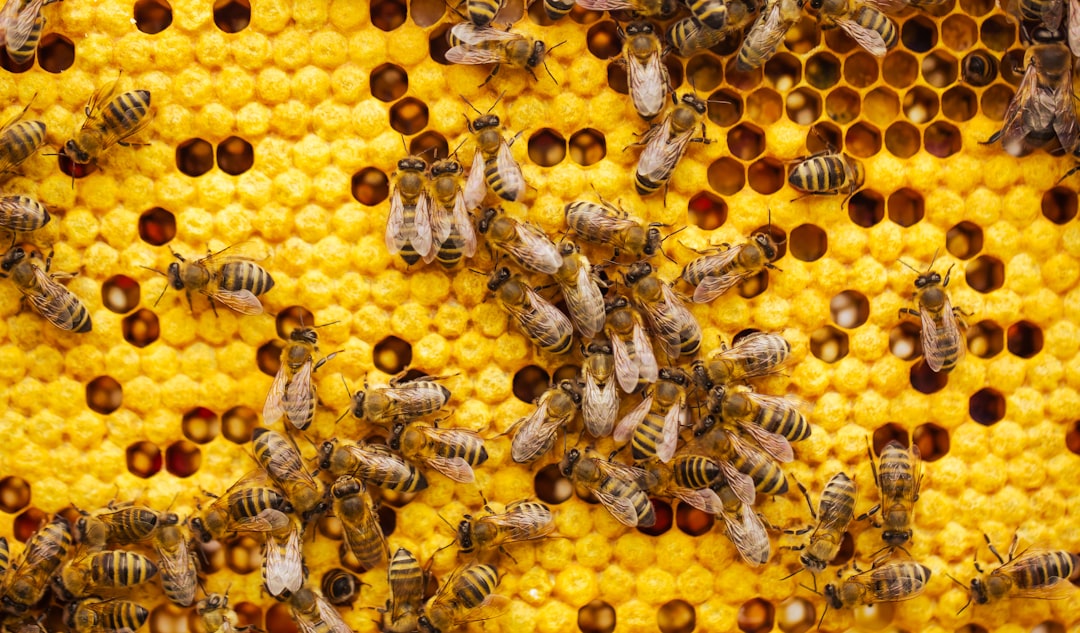
Photo by Simon Kadula on Unsplash
Recognizing the Biological Cues to Prevent Swarming
Successful swarm prevention starts with understanding the difference between a colony that is merely growing and one that is preparing to depart. Congestion is the primary driver of swarming. When the brood nest becomes “honey bound,” meaning the workers have filled every available cell with nectar or pollen, the queen has nowhere to lay. This lack of open space triggers the production of swarm cells. You will typically find these cells hanging along the bottom bars of the frames in the upper brood box. If you see only a few shallow “cups” without eggs or larvae, you have a small window of time to intervene by adding space. However, once you see capped queen cells, the colony is in the final stages of swarm preparation.
The timing of your split is dictated by the local nectar flow and the internal temperature of the hive. You cannot split too early in the spring because the new queen needs drones for mating. If you split before drones are flying in your area, your new colony will fail because the virgin queen will remain unmated or poorly mated. Most beekeepers look for the first signs of drone brood as the green light for splitting. According to the Cornell University Master Beekeeper Program, a colony is most likely to swarm during the period of rapid expansion just before the main nectar flow. By splitting during this window, you satisfy the bees’ need for more space and a new queen, which effectively resets their biological clock.
Safety is a critical factor when performing these inspections. Splitting involves heavy lifting, as you will be moving full deep boxes and manipulating thousands of agitated bees. Always ensure your smoker is lit and producing cool, thick smoke before you open the hive. If you are working alone, use a hive stand or a sturdy table to avoid straining your back while moving components. Additionally, always check your surroundings for neighbors or pets before starting, as a split can temporarily increase defensive behavior in the apiary.
Essential Equipment for Hive Splitting
You cannot perform a split properly if you are scrambling for gear in the middle of an open hive. The most basic requirement is a complete second hive setup. You’ll need to pick up a Mann Lake HD-709 Deep Hive Body to house the new colony. This box should be fitted with ten frames of high quality foundation. Using established equipment is often better than brand new gear because the familiar scent helps the bees transition, but a clean, new deep body is perfectly acceptable for a spring split.
Beyond the hive body, you need a bottom board, an inner cover, and a telescoping outer cover for the new unit. If you are performing a split where you want to keep the queen in a specific area, grab a Beehive Queen Excluder Plastic. This tool allows you to isolate the queen on specific frames, making it much easier to ensure she ends up in the correct box. Many keepers prefer the plastic excluders because they are less likely to bend or rust compared to metal versions, and they are easier to scrape clean with a hive tool.
For those using specific hive dimensions, referencing the Dadant & Sons equipment catalog can help you ensure that your new components are compatible with your existing Langstroth setup. Consistency in frame size is vital because you will be moving frames of brood and honey from the mother colony into the new split. If your mother colony uses deeps for the brood nest, your split equipment must also be deeps. Mixing sizes during a split creates unnecessary gaps that the bees will fill with burr comb, making future inspections a nightmare. Finally, have a gallon of 1:1 sugar syrup ready. A new split lacks the foraging force of an established colony and will need supplemental feeding to build out the new foundation you have provided.
The Walk-Away Split Method Step by Step
The walk-away split is the most straightforward technique for hobbyists because it does not require you to find the queen. This is a massive advantage for beginners who may struggle to spot a marked queen, let alone an unmarked one, among 50,000 moving bees. The philosophy behind this method is to divide the resources so that both halves have the potential to survive regardless of where the queen ends up. The half without the queen will realize her absence within hours and begin raising a new one from existing young larvae.
Follow these steps to execute a walk-away split:
- Divide the Brood: Open your mother colony and identify the frames containing eggs and very young larvae (less than three days old). You must ensure that both the original hive and the new hive body receive at least two frames of this young brood. Without young larvae, the queenless side cannot raise a new queen.
- Balance the Resources: Move three frames of capped brood and two frames of honey and pollen into the new Mann Lake HD-709 Deep Hive Body. Place these in the center of the new box. The remaining space in both hives should be filled with drawn comb or new foundation.
- Shake in Extra Bees: Nurse bees are the ones who care for the brood and raise the new queen. Since the older foragers will naturally fly back to the original hive location, you must shake the bees from three or four additional frames into the new hive. This ensures the new colony has enough population to keep the brood warm and defend the entrance.
- Relocate the New Hive: Move the new hive at least 10 feet away from the original location. If possible, face the entrance in a different direction. This helps prevent the bees from drifting back to the mother colony.
- Feed and Wait: Install a feeder with sugar syrup on the new hive. Do not open the new hive for at least 10 to 14 days. This period is crucial for the bees to select a larva, feed it royal jelly, and cap the new queen cell.
This method relies on the biological fact that worker bees can transform a standard female larva into a queen if she is under three days old. The resulting queen will be genetically related to your existing stock, which is ideal if your current bees are well adapted to your local climate. For more on the basics of hive components, see our guide on Best Beginner Beekeeping Starter Kits Under 150.
Managing the Even Split for Maximum Growth
While the walk-away split is easy, the even split is more precise and results in two colonies of roughly equal strength. This method is preferred if you want both colonies to produce a honey crop in the same season. To do this, you must find the queen. Once located, you place her in the new hive body along with half of the brood and half of the food stores. The original hive, which now has the established foraging force and the other half of the resources, is given a new, mated queen that you have purchased from a reputable breeder.
The primary benefit of the even split is the reduction in “down time.” In a walk-away split, the queenless side can take up to 30 days to have a laying queen (rearing, mating flight, and onset of laying). By introducing a mated queen to the split, you save three weeks of brood rearing time. This keeps the population high and allows the colony to take advantage of the nectar flow. When you introduce the new queen, keep her in her shipping cage with the candy plug exposed for 48 hours to allow the bees to get used to her pheromones before they chew her out.
The Scientific Beekeeping research by Randy Oliver suggests that splitting is also an excellent time for varroa mite management. Since a split creates a “brood break” (a period where no new larvae are being capped), the mite reproductive cycle is interrupted. You can combine your split with an oxalic acid treatment to significantly lower the mite load in both colonies. If you are unsure about your current mite levels, you should perform a check using the methods described in How To Do A Mite Wash Alcohol Roll Vs Sugar Shake before you divide the hive.
Common Mistakes to Avoid When Splitting
One of the most frequent errors beekeepers make is splitting a colony that is not strong enough to support the division. A hive should have at least 8 to 10 frames of brood before you consider a split. If you divide a weak colony, you end up with two failing colonies that are both susceptible to pests like wax moths or small hive beetles. The population must be dense enough that the bees are “boiling over” when you remove the inner cover. If you can see the tops of the frames easily, the hive is likely not ready for a split.
Another mistake is failing to account for “forager drift.” When you move a split to a new location within the same apiary, the older bees that have already oriented to the original hive will return there. This leaves the new split with only the younger nurse bees. If you do not shake enough extra bees into the new box, the brood may chill and die because there are not enough workers to maintain the 95 degree Fahrenheit temperature required for larval development. Always err on the side of adding more bees than you think you need to the new hive.
Beekeepers often forget to check for queen cells in both halves of the split. If you leave multiple queen cells in a hive that still feels “crowded,” that hive may swarm anyway, even after the split. This is known as an afterswarm. When you perform the split, inspect every frame and decide which queen cells to keep. Generally, you should keep the two largest, best looking cells and remove the rest to ensure the first queen to emerge becomes the undisputed leader of the colony.
Finally, do not forget to reduce the entrance of the new split. A new colony is weak and vulnerable to robbing by stronger hives or wasps. By using an entrance reducer on the smallest setting, you give the small population of bees a much easier time defending their new home. Neglecting this simple step can lead to the total loss of the split within 48 hours if a robbing frenzy begins.
FAQ: Hive Splitting and Swarm Prevention
Can I split a hive if I already see capped queen cells?
Yes, but you must move the old queen into the new split immediately. If you see capped queen cells, the colony is likely only days or even hours away from swarming. In this scenario, the bees have already committed to the process. By moving the old queen and a few frames of bees to a new box, you simulate the swarm that was about to happen. The original hive will then proceed to hatch one of the many queen cells they have built. If you simply tear down the queen cells and do nothing else, the bees will often build them back immediately or swarm anyway, leaving the colony queenless.
What is the best time of day to perform a split?
The best time to split a hive is in the middle of a warm, sunny day, typically between 10:00 AM and 2:00 PM. During these hours, most of the older forager bees are out in the field looking for nectar. This makes the hive much easier to work with because the population of defensive older bees is at its lowest. It also makes it easier to find the queen among the younger, calmer nurse bees. If you try to split in the evening or on a cloudy day, all the foragers will be home, making the hive much more crowded and potentially more aggressive.
How far away do I need to move the new split?
In a perfect world, you would move a split two miles away to ensure no foragers return to the original site. However, for backyard beekeepers, this is rarely practical. You can successfully move a split just a few feet away if you take precautions. Use a “branch trick” by placing some leafy branches or tall grass over the entrance of the new hive. This forces the bees to re-orient to their new location when they crawl out. While you will still lose some foragers to the original hive, the majority of the nurse bees will stay put, and the colony will stabilize within a few days.
Conclusion
Splitting a hive is a foundational skill that transforms you from a bee-owner into a beekeeper. It is the most proactive way to manage the natural growth of your colonies and prevent the loss of your bees to the surrounding environment. By understanding the biological triggers of swarming, preparing your equipment in advance, and following a structured splitting method, you can double your hive count and increase your total honey production. Whether you choose the simple walk-away split or the more calculated even split, the key is to act before the bees take the decision out of your hands. Monitor your brood nests closely as the weather warms and have your spare hive bodies ready for the spring expansion.
Make sure to bookmark this guide so you can refer to the step by step instructions when you are out in the apiary.