Best beginner beekeeping starter kits under $150
This post contains affiliate links. As an Amazon Associate, I earn from qualifying purchases at no extra cost to you.
Starting a backyard apiary often feels like a steep financial climb, with professional grade setups easily running into the thousands. However, the initial investment does not have to break your budget if you focus on the core mechanical tools required to manage a colony. For most hobbyists, the goal is to find a balance between durable materials and upfront affordability. You can find high quality, functional gear without paying a premium for brand names that offer the same stainless steel specifications. The key is knowing which components are non-negotiable for hive health and which are simply luxury add-ons. If you are looking for a quick entry point into the hobby, you should pick up a BeeCastle 9 Pcs Beekeeping Tools Kit with Organizer Tote, as it provides the essential hardware for under $40, allowing you to allocate more of your budget toward the hive boxes and the bees themselves.
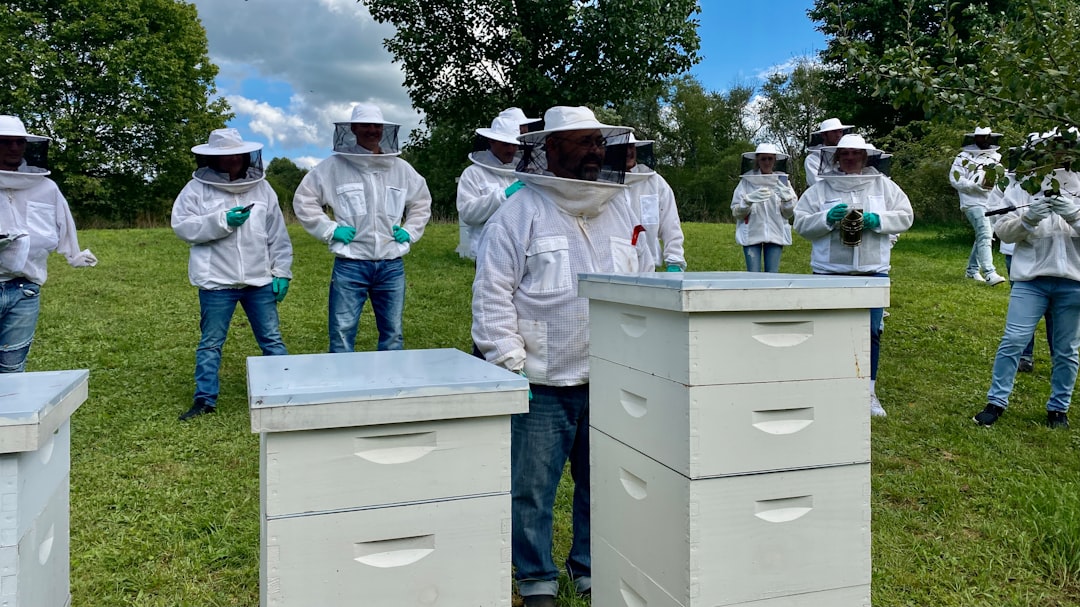
Photo by Brad Weaver on Unsplash
The Core Components of Best Beginner Beekeeping Starter Kits Under $150
When evaluating the best beginner beekeeping starter kits under $150, you must prioritize the quality of the smoker and the hive tool. These are the two items you will hold in your hands during every single inspection. A cheap smoker with a thin bellows will fail within a single season, leading to frustration and potential safety issues if you cannot properly calm the bees. High quality smokers, such as those detailed by manufacturers like Dadant, typically feature a heat shield and a hook for hanging the unit on the side of an open hive box. The heat shield is a critical safety component that prevents accidental burns to your hands or your protective suit. In budget kits, verify that the smoker is made of stainless steel rather than galvanized metal, which can rust and degrade when exposed to the high heat of pine needles or wood pellets.
The hive tool is the second most important item in any kit. You’ll need a tool that can withstand significant prying force because bees use propolis to seal every gap in the hive. Propolis is a resinous mixture that becomes incredibly strong, especially in cooler temperatures. A flimsy hive tool will bend or snap when you attempt to separate frames from the hive body. Most kits include either a standard pry bar style tool or a J-hook tool. The J-hook is generally preferred for beginners because it provides better leverage for lifting frames straight up without rolling bees, which can accidentally kill the queen.
Beyond the smoker and hive tool, look for a kit that includes a soft-bristled bee brush. While you should use the brush sparingly to avoid agitating the colony, it is necessary for gently removing bees from frames during a honey harvest or when you need to inspect the bottom board. A frame grip is another common inclusion in these kits. While some experienced keepers find them bulky, they are excellent for beginners who may be nervous about handling frames covered in thousands of bees. These grips provide a secure handle, reducing the likelihood of dropping a frame and causing a defensive reaction from the colony.
Top Recommendations for Best Beginner Beekeeping Starter Kits Under $150
Finding the best beginner beekeeping starter kits under $150 requires looking at the total value of the bundle. You want a kit that covers the mechanical tools and the protective gear, as these are the most expensive items to buy individually. The BeeCastle 14 Pcs Beekeeping Tools Starter Kit with Organizer Tote is a standout option because it includes a comprehensive array of tools alongside a dedicated carrying bag. Keeping your tools organized is more important than most beginners realize. If you leave a hive tool in the tall grass near your apiary, it is gone until the next time you mow. Having a tote ensures that your smoker, fuel, and scrapers stay in one place.
Another excellent choice is the SunVara Bee Keeping Starter Kit Beekeeping Supplies. This kit focuses on the fundamental hardware and often includes a protective veil or jacket, which is the most expensive part of the ensemble. When choosing a kit that includes clothing, pay close attention to the sizing charts. A suit that is too tight will pull against your skin, allowing bee stingers to reach you through the fabric. Conversely, a suit that is too loose can create folds where bees might get trapped. The SunVara kit provides a solid foundation of stainless steel tools that meet the durability standards required for multi-season use.
When comparing these kits, look at the gauge of the metal used in the hive tools. Standard professional tools from suppliers like Mann Lake set the benchmark for thickness. If a kit feels exceptionally light, it likely uses thinner steel that will flex under pressure. The goal for a sub-$150 budget is to secure the “hard goods” so that your remaining funds can go toward a high quality wooden hive. Many beginners make the mistake of buying a very expensive suit but having no money left for a smoker that actually stays lit. By choosing one of these verified kits, you ensure that you have the mechanical means to manage your bees safely from day one.
Safety Considerations and Protective Gear Maintenance
Beekeeping is a rewarding hobby, but it involves working with stinging insects and potentially flammable materials. Safety must be your primary concern. Before you ever open a hive, you must ensure your protective gear is in perfect working order. This means checking for tears in the mesh of your veil and ensuring that the zippers on your jacket or suit are fully closed. Bees are opportunistic and will find even the smallest gap in your armor. If you are allergic to bee stings, you should consult with a medical professional before starting this hobby. Even for those without known allergies, it is standard practice to keep an epinephrine auto-injector or at least a strong antihistamine nearby, as allergies can develop over time with repeated exposure.
Safety Warning: Always check your local fire regulations before lighting a smoker. In dry conditions, a single spark from a smoker can ignite dry grass. Always operate your smoker over a fireproof surface and have a plan to extinguish it completely. Additionally, ensure you have a functioning carbon monoxide detector in your home if you store your beekeeping gear in an attached garage, as smoldering smokers can release dangerous fumes if not properly extinguished.
Proper maintenance of your gear will extend its life and keep you safe. After an inspection, your hive tools will be covered in wax and propolis. You’ll need to clean them regularly to prevent the spread of bee diseases between colonies. A common method is to use the heat of your smoker to soften the wax and then scrape it off, followed by a quick wipe with isopropyl alcohol. Your protective suit should be washed regularly, but you must remove the veil first. Most veils have plastic or wire mesh that will be destroyed in a washing machine. Hand wash the veil and machine wash the suit on a gentle cycle with scent-free detergent. Bees are sensitive to strong perfumes and chemicals, which can trigger defensive behavior.
How to Prepare Your Budget Equipment for the First Season
Once you have purchased your kit, you cannot simply take it out of the box and head to the apiary. There is a specific preparation process required to ensure the tools function correctly and do not introduce contaminants to your hive. Follow these steps to get your gear ready for the bees.
- Sanitize and De-burr Metal Tools: Budget kits sometimes arrive with sharp edges from the manufacturing process. Use a fine metal file or sandpaper to smooth down any burrs on the edges of your hive tools and frame grips. Once smooth, wash all metal components with warm, soapy water to remove any factory oils or residues. This prevents foreign chemicals from entering the wax of your hive.
- Burn-in the Smoker: A new smoker often has a thin coating on the inside of the canister. Before using it with bees, light a small fire using clean cardboard or pine needles and let it burn for 15 to 20 minutes. This “seasons” the metal and burns off any manufacturing residues. During this time, practice pumping the bellows to understand the airflow. You want a cool, thick white smoke, not a hot flame. If the smoke is too hot, it will singe the bees’ wings.
- Organize Your Tote for Efficiency: Arrange your tools in your BeeCastle 14 Pcs Beekeeping Tools Starter Kit with Organizer Tote so that the items you need most often are easily accessible. Your hive tool should be in an outside pocket, and your smoker fuel should be stored in a dry, sealed container inside the tote. Being organized prevents you from having to step away from an open hive to find a missing tool, which reduces the stress on the colony.
- Test Your Protective Gear Fit: Put on your full suit, veil, and gloves. Move through a full range of motion, including bending over and reaching high above your head. Ensure that the cuffs of your gloves overlap the sleeves of your jacket and that there are no gaps at the neck. If you find gaps, you may need to use heavy rubber bands to secure the fabric. It is much better to find these fit issues in your living room than when you are surrounded by fifty thousand bees.
By taking the time to prepare your equipment, you reduce the variables that can go wrong during your first few inspections. Beginner mistakes are often the result of fumbling with gear rather than a lack of knowledge about the bees themselves. Having your tools ready and your suit properly fitted allows you to focus entirely on observing the health of the queen and the brood pattern.
Common Mistakes and Problems with Cheap Beekeeping Equipment
One of the most frequent mistakes beginners make when buying budget gear is assuming that all kits are complete. Many “starter kits” under $150 focus heavily on the hand tools but completely omit the actual hive boxes or the frames. You must read the product descriptions carefully. A “tool kit” is not a “hive kit.” If you buy a tool kit, you still need to purchase a Langstroth hive setup, which includes a bottom board, deep boxes, frames, foundation, an inner cover, and a telescoping outer cover. Buying these separately can sometimes be more expensive than buying a total bundle, so do the math before clicking purchase.
Another common problem is the quality of the gloves included in budget kits. Often, these gloves are made of thick, stiff leather that provides excellent protection but zero dexterity. In beekeeping, dexterity is safety. If you cannot feel the frame, you are more likely to squash bees, which releases alarm pheromones and makes the colony aggressive. If your kit comes with bulky gloves, you’ll need to eventually upgrade to thinner goatskin gloves or even heavy duty nitrile gloves, which many experienced keepers prefer for the increased tactile feedback.
Additionally, be wary of smokers with plastic bellows. The heat from the smoker canister can easily melt cheap plastic components, rendering the tool useless in the middle of an inspection. Always look for bellows made of heavy duty rubber or wood and leather. If your smoker starts to fail, do not try to “make it work” during an inspection. A smoker that goes out while you have the hive apart is a recipe for getting stung. Stop what you are doing, close the hive as gently as possible, and relight the smoker in a safe area.
Finally, avoid the mistake of ignoring the “extras” in your kit. Many kits include queen marking cages or moving bags. While you might not need these in your first month, you should learn how they work. A common error is losing these small components before they are actually needed. Store them in a dedicated compartment of your gear bag so they are available when your colony grows and you need to perform more advanced management tasks like queen rearing or splitting the hive.
Maintaining Your Equipment for Long Term Success
To get the most out of your best beginner beekeeping starter kits under $150, you must implement a rigorous maintenance schedule. Beekeeping equipment lives in a harsh environment of high heat, sticky resins, and outdoor weather. If you leave your smoker out in the rain, the bellows will rot and the metal will soot up and seize. Always store your tools in a dry, covered area. The organizer tote included with many kits is a good start, but a dedicated plastic bin is even better for long term storage to keep mice from chewing on your leather bellows or bee brush.
At the end of every season, perform a deep clean of all your hardware. Use a wire brush to remove the carbon buildup from the inside of your smoker. This buildup restricts airflow and makes the smoker harder to light. For your hive tools, use a propane torch to lightly singe off any remaining wax and propolis, then wipe them down with a light coating of food grade mineral oil to prevent rust. This is also the time to inspect your wooden hive components for any signs of rot or damage from wood-boring insects.
If you are using your tools across multiple hives, you must be vigilant about cross-contamination. If one hive shows signs of American Foulbrood (AFB), your tools can easily carry the spores to every other hive in your apiary. In such cases, standard cleaning is not enough; tools must be scorched with a flame or soaked in a strong bleach solution. Refer to your Seasonal Beekeeping Calendar Month By Month Tasks to ensure you are timing your maintenance and inspections correctly to prevent the spread of disease during peak activity months.
FAQ
What is the most essential tool in a beginner beekeeping kit? The smoker is arguably the most essential tool because it is your primary means of managing bee behavior. When bees sense smoke, they instinctively gorge themselves on honey in preparation for a potential fire-driven hive relocation. This gorging makes them lethargic and less likely to sting. Furthermore, smoke masks the alarm pheromones that guard bees release when they perceive a threat. Without a functional smoker, even a gentle colony can become difficult to manage, making it nearly impossible to conduct a thorough inspection of the brood nest or check for pests like Varroa mites.
Are the suits in budget kits actually sting-proof? No beekeeping suit is 100% “sting-proof,” but they are designed to be “sting-resistant.” The fabric is thick enough that a bee’s stinger cannot easily reach your skin. However, if the fabric is pulled tight against your body - such as when you bend your knees or elbows - the stinger can pass through. This is why proper sizing is critical. Most budget kits provide a standard cotton or poly-cotton blend. These are effective for most situations, but they can be very hot in the summer. For maximum protection, some keepers eventually move to ventilated 3-layer mesh suits, but for a beginner on a budget, a standard suit is a perfectly adequate starting point.
How long will a $150 starter kit last? If maintained properly, the metal tools in a $150 kit can last for five to ten years. The smoker bellows and the bee brush are typically the first items to wear out, usually after two or three seasons of heavy use. The protective suit’s lifespan depends on how often it is washed and how carefully it is handled; zippers are usually the failure point on cheaper garments. By cleaning your tools after every use and storing them in a dry environment, you can significantly extend the life of your investment. Many hobbyists find that their original “budget” hive tool remains their favorite even after they have upgraded other parts of their apiary.
Conclusion
Investing in the best beginner beekeeping starter kits under $150 is a smart way to enter the hobby without the financial stress of high-end commercial equipment. By focusing on essential items like a stainless steel smoker, a durable hive tool, and properly fitted protective gear, you set yourself up for a successful first season. Remember to prioritize the quality of the mechanical components and maintain them regularly to ensure they remain safe and functional. As your skills grow, you can expand your setup, but these foundational tools will serve you well for years to come.
Bookmark this guide to refer back to the maintenance steps before your first spring inspection.