Catching and hiving a swarm
This post contains affiliate links. As an Amazon Associate, I earn from qualifying purchases at no extra cost to you.
A honeybee swarm is the most visible and dramatic manifestation of a colony’s reproductive success. For the backyard beekeeper, encountering a swarm represents a high-stakes opportunity to expand an apiary with locally adapted genetics at zero cost for the bees themselves. However, the window for action is narrow and the physical demands of the capture require precision. If you are unprepared, a swarm will vanish as quickly as it appeared, often moving from a temporary resting spot to a permanent, inaccessible cavity within hours. Success requires a transition from passive observation to active management the moment the scout bees begin their work. To be ready for this moment, you should pick up a Bee Cage Beekeeping Tool Black Swarm Trap Swarming Catcher now so it is on hand when the phone rings or the sky fills with bees. Waiting until you see a cluster to order gear is the most common reason hobbyists miss out on free colonies.
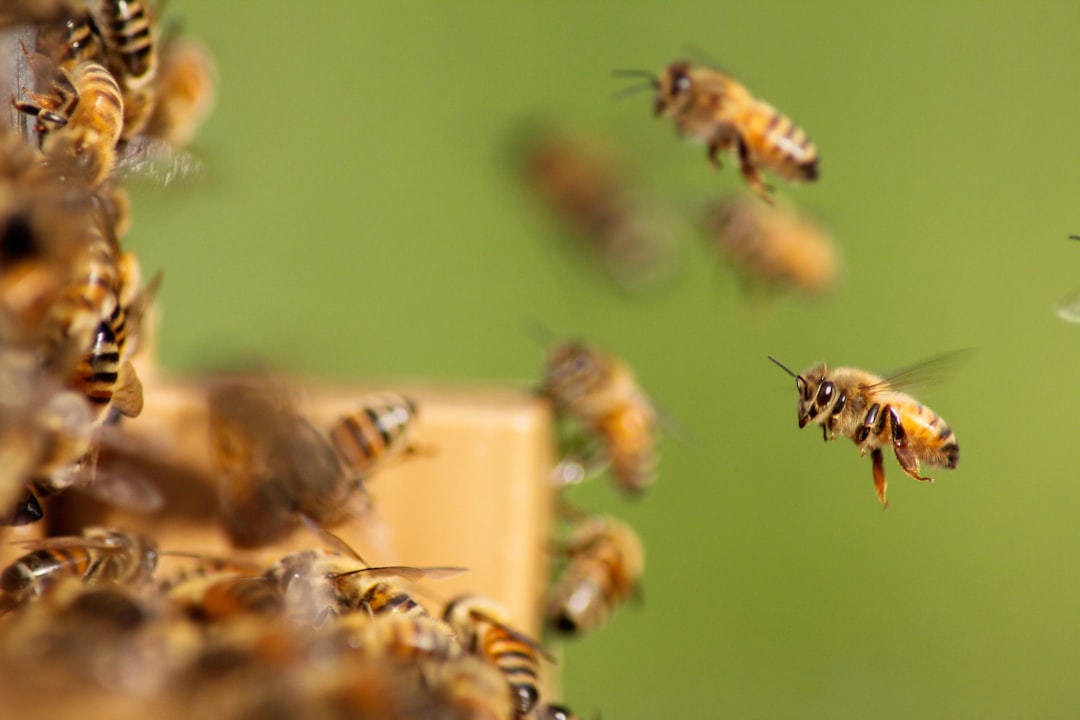
Photo by Damien TUPINIER on Unsplash
Understanding Swarm Behavior and Timing
Swarming is the natural method by which honeybee colonies reproduce at the colony level. It typically occurs in the spring and early summer when the hive becomes congested and the queen’s pheromones are diluted among a large population. The old queen leaves with approximately half of the worker bees and a supply of honey, leaving behind queen cells to ensure the original colony continues. This process is heavily influenced by the seasonal beekeeping calendar, which dictates when forage is at its peak and the colony has the resources to split.
When a swarm first leaves the hive, it does not immediately fly to a new permanent home. Instead, the bees settle on a nearby structure, such as a tree limb, a fence post, or even the side of a building. This cluster is a temporary staging area. While the bees hang in a dense mass, scout bees are sent out to find a suitable new cavity. This search can take anywhere from a few hours to a couple of days. For the beekeeper, this is the golden window. During this time, the bees are generally at their most docile because they have no brood or honey stores to protect and their bellies are full of honey for the journey.
The behavior of the cluster is governed by the queen. If the queen is in the center of the mass, the bees will remain stable. If she is lost or injured during the flight, the swarm will often return to the original hive. Understanding this biological imperative is crucial. You are not just catching a group of bees; you are capturing a queen and her loyal attendants. If you secure the queen, the rest of the bees will follow her pheromones into whatever container you provide. The goal is to move the bees into a dark, ventilated space that mimics a hollow tree or a hive body before the scout bees return with a location for a permanent home.
Essential Gear for Catching and Hiving a Swarm
Successful swarm capture requires a specific kit that is separate from your standard hive inspection tools. While you can technically catch a swarm with a cardboard box and a sheet, professional results require gear that ensures the safety of the bees and the beekeeper. You’ll need a dedicated swarm trap or a nuc box with a secure lid. For high-quality transport boxes and specialized equipment, check the inventory at Mann Lake. A light-colored, breathable container is vital because bees can quickly overheat when confined in a dense mass, leading to a total loss of the swarm before you even reach the apiary.
Beyond the container, you must have a way to reach the bees. Many swarms land on low branches, but many others choose heights that require a ladder or a pole-mounted catcher. Grab a Bee Cage Beekeeping Tool Black Swarm Trap Swarming Catcher to reach those clusters that are just out of arm’s length. This tool allows you to surround the cluster and shake it into the bag without needing to climb a shaky ladder. Additionally, you should pick up a WEICHUAN Multifunction Hive Scraper Tool with Wooden Handle to help pry apart any branches or structures the bees have clustered around. A hive tool is also essential for prying open the transport box or adjusting frames once you return to the apiary.
Protective gear is non-negotiable. Even though swarming bees are generally calm, the process of shaking or brushing them can trigger a defensive response. Reliable smokers for calming the cluster and high-quality veils can be found at Dadant. You should also have a spray bottle filled with a light sugar syrup. Misting the cluster lightly before capture can weigh down the bees’ wings and keep them occupied with grooming, which reduces the number of airborne bees during the transfer. Finally, a white sheet is an underrated piece of equipment. Placing a sheet on the ground beneath the swarm allows you to see the queen if she falls and provides a clear path for the bees to march into the box.
Step-by-Step Guide to Catching and Hiving a Swarm
Safety Warning: Beekeeping involves risks of stings and physical exertion. Always wear protective clothing, including a veil and gloves, when handling a swarm. If you are allergic to bee stings, do not attempt to catch a swarm. Ensure you have a working phone and someone knows your location if you are working at heights. Always check for overhead power lines before using long poles or ladders.
Catching a swarm is a process of precision and patience. Follow these steps to ensure the colony is captured and successfully transitioned to its new home.
- Prepare the Landing Zone: Lay a large white sheet on the ground directly beneath the swarm cluster. Place your capture box or nuc box on the sheet, as close to the cluster as possible. If the swarm is on a low branch, you can place the box directly under it. Open the box and remove a few frames from the center to create a large void for the bees to fall into.
- The Primary Capture: If the bees are on a branch, give the branch a single, firm, downward shake directly over the open box. The goal is to drop the entire mass into the box in one motion. If the bees are on a flat surface like a wall, use a soft bee brush or your WEICHUAN Multifunction Hive Scraper Tool with Wooden Handle to gently move them into the container.
- Confirm the Queen: Once the bulk of the bees are in the box, watch the remaining bees. If they begin to crawl into the box and start “fanning” at the entrance (standing with their tails in the air and beating their wings), they are releasing Nasonov pheromone to guide the rest of the swarm. This is a definitive sign that the queen is inside. If the bees start leaving the box and returning to the original spot, you missed the queen and must repeat the shake.
- Wait for the Stragglers: Set the box down on the sheet and leave it slightly propped open. Wait at least 30 to 60 minutes for the scout bees and airborne stragglers to find their way into the box. Do not rush this step. If you move the box too soon, you will leave behind hundreds of bees that will become a nuisance at the capture site.
- Secure and Transport: Once the bees have settled, close the box securely. Ensure there is adequate ventilation. If you are using a standard hive body, you can pick up a 10Pcs Stainless Steel Beehive Box Entrance Gate Bees Nest Door Entrance Disc to close the entrance while still allowing air to flow. Move the box to its permanent location in your apiary.
- Hiving the Swarm: Place the capture box at the site where the new hive will stand. If the bees are already in a nuc box, you can simply leave them there. If they are in a temporary catcher, shake them into a full-sized hive body filled with drawn comb if possible. Drawn comb is a major incentive for a swarm to stay, as it allows the queen to begin laying eggs immediately.
Securing the New Colony in the Apiary
Once the swarm is hived, your primary goal is to prevent them from absconding. A swarm has no biological attachment to the new box you have provided. They have no brood to protect and no significant honey stores to defend. If they decide the hive is unsuitable, they will leave as a group within the first 48 hours. To prevent this, you should pick up a 10Pcs Stainless Steel Beehive Box Entrance Gate Bees Nest Door Entrance Disc and set it to the “queen excluder” or “ventilation” setting for the first day. This prevents the queen from leaving while allowing workers to orient themselves.
Feeding is the most effective way to anchor a swarm. Because these bees have just spent a significant amount of energy flying and have no stored food, providing a 1:1 sugar syrup immediately is essential. This stimulates wax production, allowing the bees to build out foundation quickly. If you have access to a frame of open brood from another healthy colony, placing it in the center of the swarm’s new hive is the best insurance policy. Bees are extremely reluctant to abandon young, unsealed brood. This technique effectively “locks” the swarm into their new home.
Monitoring the queen’s performance is the next priority. Managing a swarm is often the first step toward queen rearing basics as you evaluate the genetics of your local feral populations. Check the hive after 7 days to look for eggs and young larvae. If you do not see eggs after a week, the queen may have been lost during the capture, or she may be a virgin queen from a secondary swarm (an “afterswarm”) who needs time to go on her mating flights. Do not disturb the hive daily; give them a full week to settle before performing a thorough inspection.
| Feature | Temporary Swarm Trap | Standard Nuc Box | Full Hive Body |
|---|---|---|---|
| Portability | High (Lightweight) | Moderate | Low (Heavy) |
| Ventilation | Excellent | Moderate | Variable |
| Duration | Hours only | Days | Permanent |
| Capacity | Large clusters | Small-Medium clusters | All cluster sizes |
| Best Use | Initial capture from trees | Transport and quarantine | Final hiving |
Common Swarm Catching Mistakes to Avoid
The most frequent mistake beekeepers make when catching a swarm is lack of ventilation during transport. Bees in a swarm are highly active and generate an immense amount of metabolic heat. If they are placed in a sealed cardboard box or a plastic container without screened openings, the temperature inside can rise to lethal levels in minutes. This results in a “melted” swarm where the bees die of heat exhaustion. Always ensure that at least one side of your capture container is screened or has significant air holes.
Another common problem is hiving the swarm too early in the day. If you capture a swarm at 10:00 AM and immediately hive them in your apiary, the scout bees that were out searching for a home will return to the original capture site. Finding the cluster gone, they will eventually find your new hive, but the confusion can lead to the colony decamping. It is often better to capture the swarm, leave the box near the capture site until dusk, and then move the bees to the apiary once all the foragers and scouts have returned for the evening.
Beekeepers also often fail to provide enough space. A large swarm can easily fill a five-frame nuc box to the point of overflowing. If the bees feel cramped in the new hive, they will perceive it as the same problem that caused them to swarm in the first place and may leave. If the swarm is larger than a basketball, bypass the nuc box and hive them directly into a ten-frame deep hive body. Conversely, do not give a tiny swarm too much space in cold weather, as they will struggle to maintain the cluster temperature. Match the box size to the swarm size for the best results.
Finally, neglecting the quarantine period is a major biosecurity mistake. While swarms are often healthy, they can carry mites, small hive beetles, or even foulbrood. Never place a swarm directly into an apiary with your established hives without a treatment plan. Many beekeepers choose to treat a swarm with oxalyic acid vapor or a similar mite treatment immediately, as there is no capped brood for the mites to hide in. This is the most effective time to clean up a colony’s mite load.
FAQ
How long will a swarm stay in one place before moving to a permanent home? A swarm typically stays in its temporary clustering location for anywhere from two hours to two days. This duration depends entirely on how quickly the scout bees can reach a consensus on a new cavity. If the scouts find a perfect location nearby, the swarm may leave within the hour. If the weather is poor (rainy or very windy), the bees will stay put until conditions improve for flight. Because you cannot know how long they have already been there when you arrive, you must treat every swarm call as an emergency and attempt the capture as soon as possible.
Can I hive a swarm directly onto foundation, or do I need drawn comb? You can hive a swarm onto foundation, but it is not the ideal scenario. Swarms are biological wax-building machines; they are primed to create new comb. However, drawn comb provides the queen with an immediate place to lay and the workers a place to store the syrup you provide. If you only have foundation, you must feed the colony heavily with 1:1 sugar syrup to provide the energy required for wax secretion. Without drawn comb or heavy feeding, the swarm is significantly more likely to abscond because the hive does not yet feel like a “functional” home to them.
Should I feed a newly hived swarm immediately? Yes, you should always feed a newly hived swarm unless there is an intense nectar flow occurring. Even during a flow, feeding for the first few days provides the colony with a sense of “resource abundance” that encourages them to stay. Use a 1:1 sugar syrup, which mimics nectar and stimulates the wax glands. Avoid using 2:1 syrup for a new swarm, as that is better suited for winter stores rather than comb building. Providing a frame of honey from another hive is also helpful, but ensure the donor hive is disease-free to avoid spreading pathogens to your new colony.
Conclusion
Catching and hiving a swarm is one of the most rewarding experiences in beekeeping, offering a front-row seat to the natural expansion of the species. By understanding the timing of the cluster, preparing the right gear, and following a systematic capture process, you can successfully add robust colonies to your apiary. Remember that the first 48 hours are the most critical; focus on ventilation, feeding, and securing the queen to ensure the bees accept their new home. With the right approach, those “free bees” will become a productive and vital part of your backyard honey production.
Bookmark this guide so you have the step-by-step instructions ready when swarm season begins in your area.